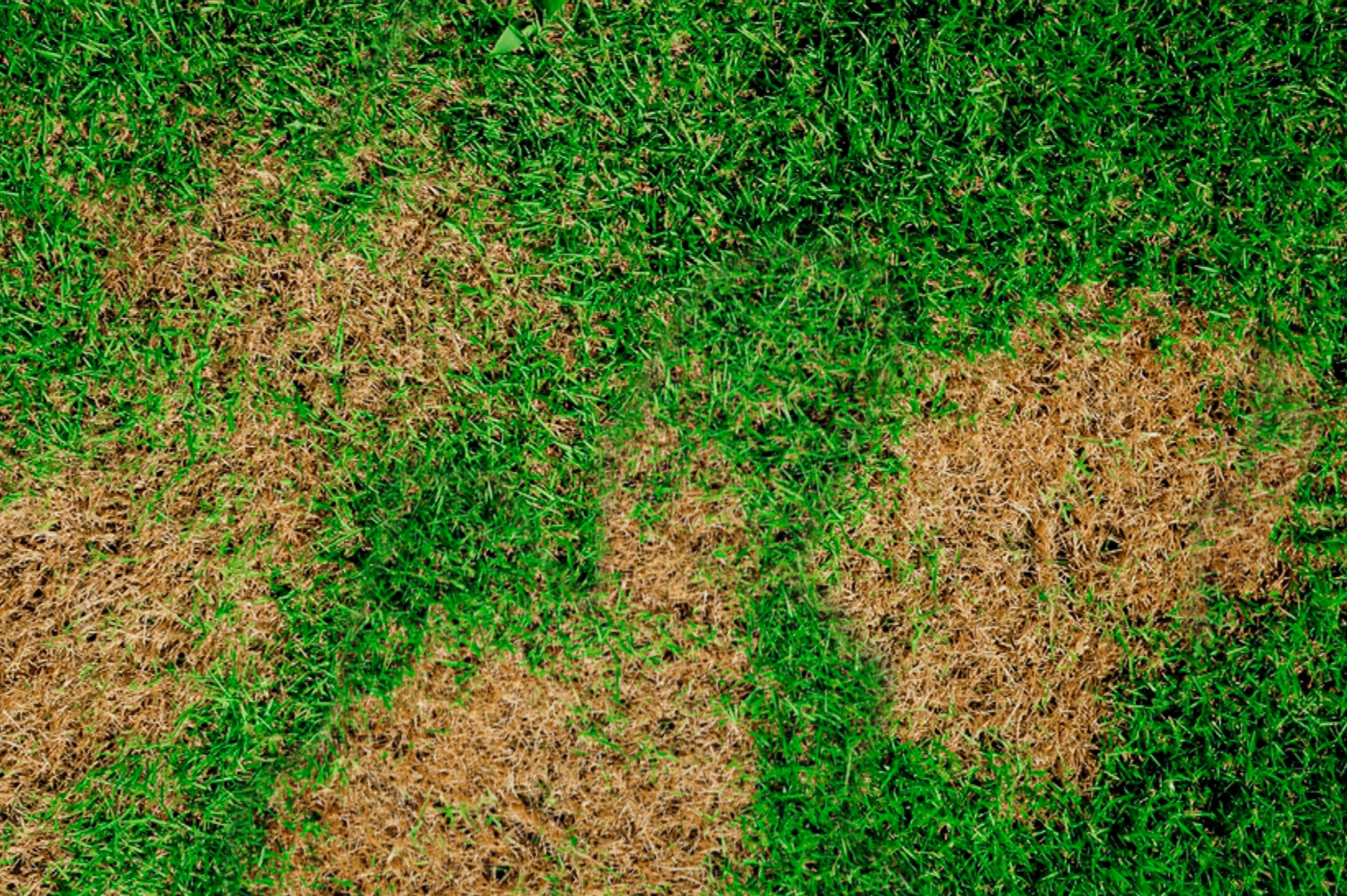
Why Brown Spots Aren't Always Drought | A&F Lawn Care
When homeowners notice brown patches appearing across their lawn, the first instinct is usually to turn on the sprinklers. While drought stress is certainly one possible cause, it's far from the only one. In fact, watering more can sometimes make the problem worse.
Knowing what's actually causing those brown spots is the key to restoring your lawn and preventing the issue from spreading.
1. Heat and Drought Stress
During periods of extreme heat and little rainfall, grass naturally goes dormant to conserve energy. Drought-stressed turf typically appears:
Light brown or tan
Crispy underfoot
Spread over larger areas rather than isolated circles
Slow to recover without rainfall or irrigation
A simple test is to gently tug on the grass blades. If the roots are still firmly attached, the grass may simply be dormant and capable of recovering once moisture returns.
2. Lawn Disease
Summer heat combined with humidity creates ideal conditions for fungal diseases.
Common lawn diseases include:
Brown Patch
Dollar Spot
Summer Patch
Signs often include:
Circular patches
Dark or irregular edges
Thinning grass surrounding the affected area
Spots that continue expanding despite watering
These issues typically require proper lawn treatments rather than additional irrigation.
3. Pet Damage
Dog urine contains concentrated nitrogen and salts that can burn grass.
Look for:
Small circular brown spots
Dark green grass surrounding the dead center
Areas commonly visited by pets
These spots are often mistaken for drought because they appear during hot weather.
4. Insect Damage
Grubs and surface-feeding insects damage lawns by attacking either the roots or blades.
Warning signs include:
Grass lifting up like loose carpet
Birds or raccoons digging in the lawn
Irregular dead patches
Grass dying even with regular watering
If insects are the cause, watering alone won't solve the problem.
5. Soil Compaction
Compacted soil prevents water, nutrients, and oxygen from reaching the root system.
Common causes include:
Heavy foot traffic
Kids playing
Pets
Repeated mower paths
Lawns suffering from compaction often develop stressed areas even when irrigation is adequate. Core aeration is one of the most effective solutions.
6. Scalping From Mowing
Cutting your lawn too short during summer removes too much leaf surface, exposing the soil to excessive heat.
Scalped areas:
Turn brown quickly
Often follow mower patterns
Recover slowly during hot weather
Maintaining proper mowing height helps protect grass from summer stress.
7. Poor Irrigation Coverage
Sometimes the lawn isn't actually lacking water—it's simply not receiving it evenly.
Check for:
Broken sprinkler heads
Misaligned spray patterns
Dry strips between sprinkler zones
Areas blocked by landscaping
A quick irrigation inspection can reveal coverage problems before permanent damage occurs.
Before You Water More, Find the Cause
Adding more water isn't always the answer. In many cases, it wastes water while allowing disease, insects, or soil issues to become more severe.
The best approach is to identify what's causing the damage first, then choose the proper treatment.
At A&F Lawn Care, we evaluate every lawn individually to determine whether brown patches are caused by drought stress, disease, insects, compaction, or another underlying issue. That allows us to recommend the right solution instead of simply treating the symptoms.
Need Help Diagnosing Your Lawn?
If brown spots are appearing in your lawn this summer, don't assume it's just a lack of rain. A professional inspection can save you time, money, and unnecessary treatments while getting your lawn back to a healthy, green condition.
