
Five Landscaping Mistakes Homeowners Make Every Spring (And How to Avoid Them)
The Moment You Realize Your Yard Needs Help
Every spring in South Jersey, there’s a moment when everything changes. The air softens, the sun hits a little differently, and for the first time in months, you actuallyseeyour yard again. What blended into winter suddenly stands out—leaves scattered across the lawn, patchy grass struggling to come back, and beds that look tired, undefined, and honestly neglected. It doesn’t hit all at once, but once you notice it, you can’t ignore it. That quiet realization sets in: this isn’t going to fix itself, and if you don’t get ahead of it now, it’s only going to get worse as the season moves forward.
Starting Too Late Turns a Cleanup Into a Catch-Up Game
One of the most common mistakes homeowners make is simply waiting too long to start. It feels harmless to hold off until mid-April when the weather is consistently nice, but by then, the ground has already warmed enough for weeds to begin germinating and spreading. At the same time, all the debris that sat on your lawn through winter—leaves, sticks, compacted organic matter—is no longer just sitting on the surface; it’s embedded into the turf, restricting airflow and slowing down new growth. What should have been a straightforward reset becomes a reactive process, where you’re constantly trying to undo problems that have already taken hold instead of preventing them in the first place.
Skipping Bed Edging Leaves Everything Looking Unfinished
A property can be completely cleaned and still look like something is missing, and more often than not, that comes down to edging. Without sharp, defined lines separating the lawn from your mulch beds, everything visually blends together in a way that feels unpolished. Edging is what creates structure and contrast—it frames the landscape and gives it that intentional, maintained appearance. When this step is skipped, even a freshly cleaned yard can come off as average, lacking the crispness that people associate with professional landscaping. It’s a small detail on paper, but in reality, it’s one of the most noticeable upgrades you can make.
Mulching Without Prep Creates Bigger Problems
Mulch is often seen as the quick fix—spread it down and instantly improve the look of your property. The problem is, without proper preparation, it becomes a temporary cover rather than a long-term solution. When beds aren’t thoroughly cleaned—when weeds, roots, and debris are left behind—mulch ends up trapping those issues underneath. Initially, everything may look clean, but within a few weeks, weeds begin pushing through, often stronger than before. At that point, you’re not just maintaining your beds; you’re redoing them. Proper prep, including clearing, redefining edges, and addressing weed growth before installation, is what allows mulch to actually perform its job both visually and functionally.
Cutting the Lawn Too Early (and Too Short)
The first mow of the season is another area where timing and technique matter more than most realize. Grass coming out of winter dormancy is in a fragile state, focusing on recovery and root development. Cutting it too early or too short places unnecessary stress on the lawn, slowing down its ability to thicken and establish properly. Instead of encouraging healthy growth, it can lead to thinning turf and uneven color, which then creates the perfect opportunity for weeds to move in and take over. A controlled, properly timed first cut sets the tone for the entire season, while a rushed one can create problems that linger for months.
Skipping Weed Prevention Guarantees a Long Season of Fighting Them
Weed control is one of those things that only works if it’s done proactively. By the time weeds are visible above the surface, they’ve already established themselves, making them significantly harder to manage. Skipping pre-emergent treatment in early spring leaves your lawn and beds completely exposed during the most critical growth window. From there, the entire season becomes reactive—pulling, spraying, and constantly trying to stay ahead of something that could have been prevented with proper timing. Prevention isn’t just easier; it’s more effective and far less time-consuming than dealing with widespread weed growth later on.
How It Should Be Done
A true spring cleanup isn’t about making your property look good for a weekend—it’s about setting a foundation that carries through the entire season. That means approaching the process systematically: fully removing all debris rather than just redistributing it, establishing clean and defined bed edges, preparing beds thoroughly before applying mulch, introducing pre-emergent treatments at the right time, and handling the first lawn cut with care and intention.
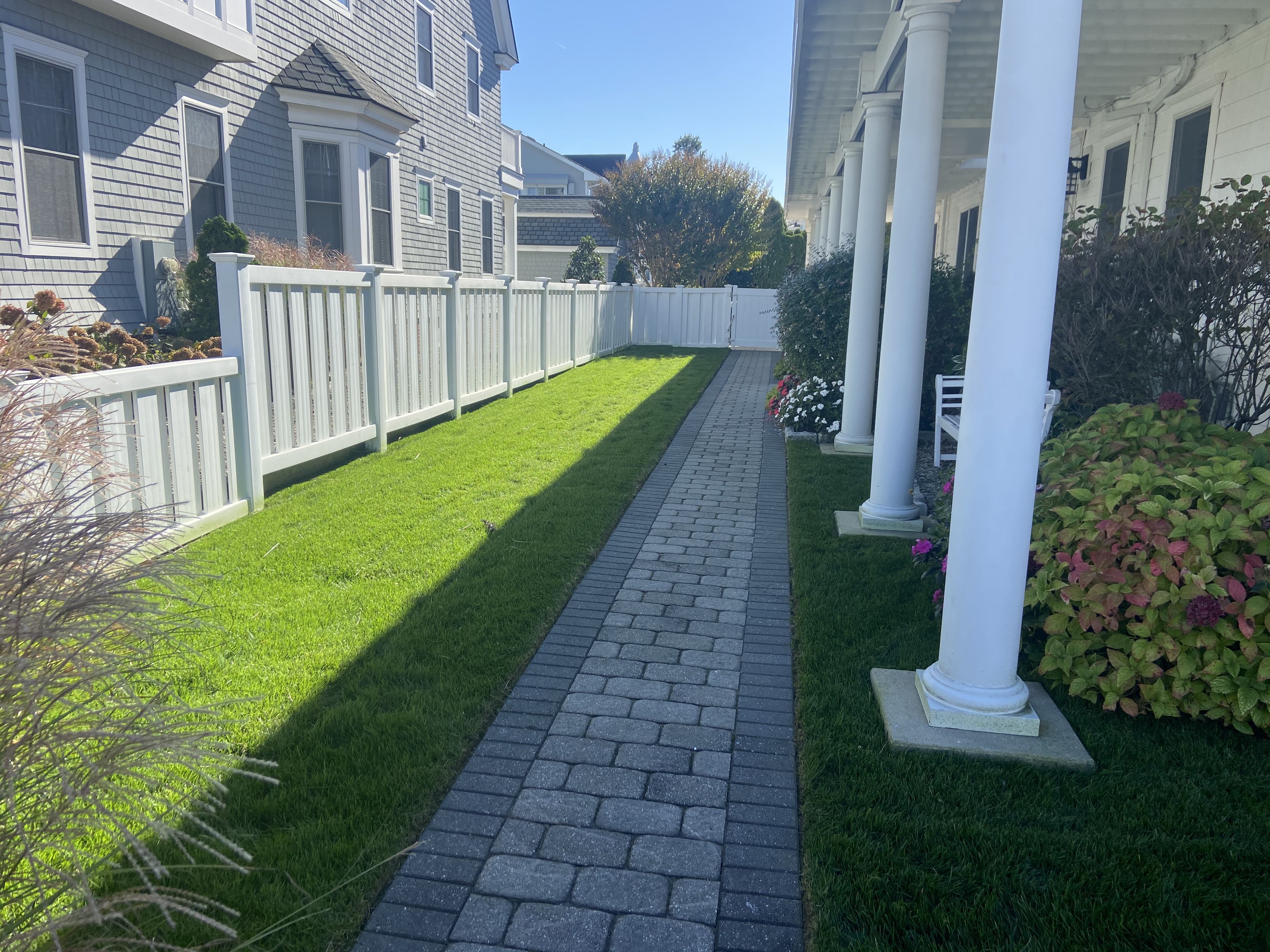
When each of these steps is done correctly and in the proper order, the results are immediate, but more importantly, they’re sustainable. The property doesn’t just look better—it stays better with less ongoing effort.
Synopsis
Most spring landscaping mistakes aren’t caused by lack of effort—they come from doing things out of sequence, too late, or without a clear understanding of how each step impacts the next. The difference between a yard that looks “fine” and one that stands out in the neighborhood almost always comes down to process. Spring is your one opportunity to reset everything after winter. When it’s handled correctly, maintenance becomes easier, growth becomes healthier, and the overall appearance of your property stays consistent throughout the season.
Get It Done Right with A&F Lawn Care
If your property is showing signs of winter, the best move is to get ahead of it now while the timing is still on your side. At A&F Lawn Care, spring cleanups are built around a proven system designed to do more than just improve appearance—they set your entire property up for long-term success. From detailed debris removal and precision edging to proper mulch installation and early-season weed prevention, every step is handled with intention and consistency. The early spring window fills quickly, and once it passes, options become limited and results become harder to achieve. Locking in your cleanup now ensures your property starts the season clean, sharp, and positioned to look its best all year.
